
 You know you should stay at a distance to help avoid the spread of the COVID-19 virus. You also know to wash your hands frequently with soap and warm water and to wear a mask when going to the grocery store or on other essential trips.
But what can you do to keep yourself healthy while staying at home – in isolation while waiting for state and local health officials to say it is safe to venture out again?
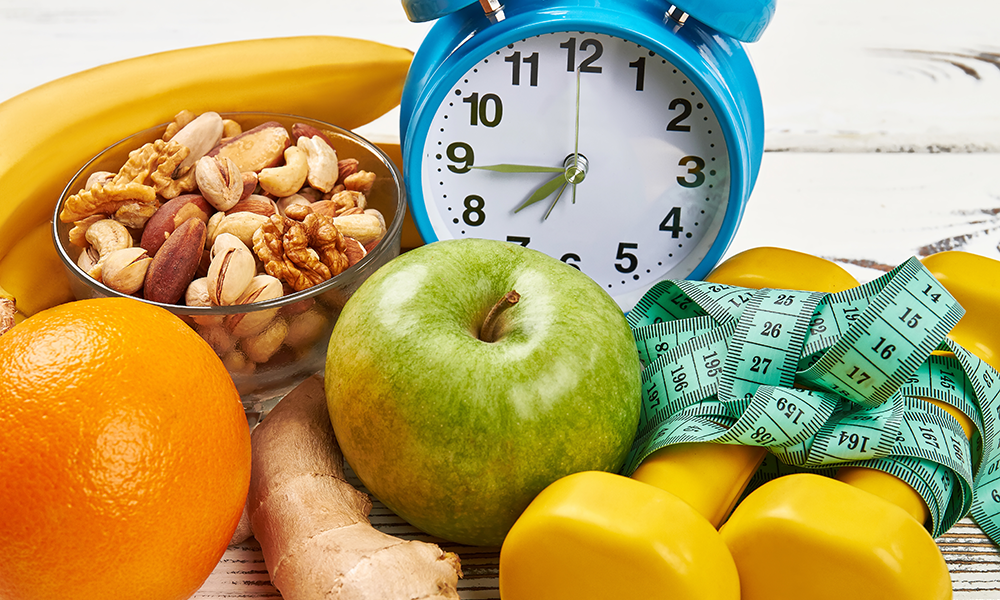
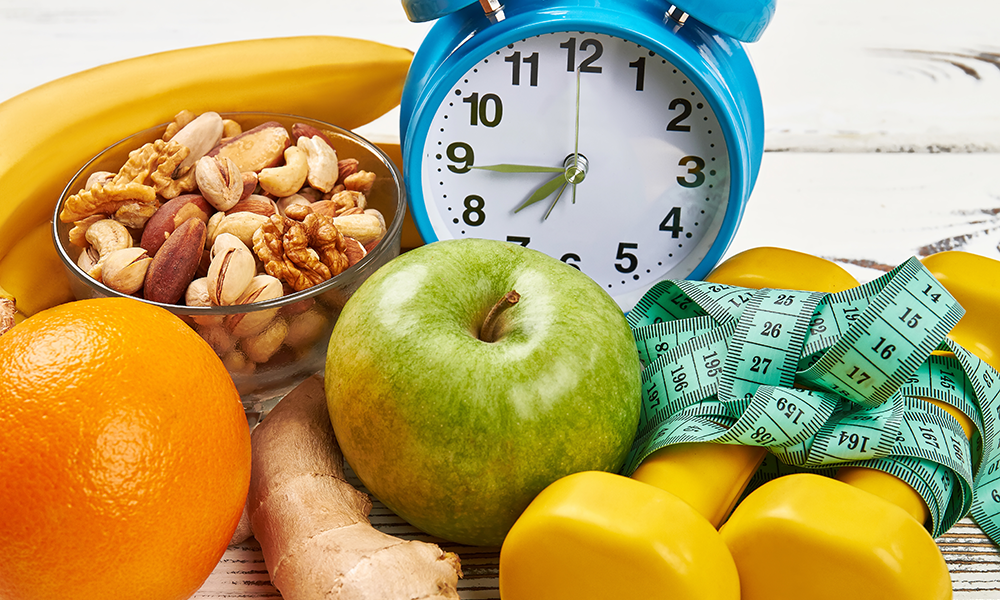
There are three critical areas to focus on: eating right, getting enough sleep and exercising your body.
Let’s explore:
We are dealing with events unlike anything in our lifetime. We are scared about getting the COVID-19 virus. We are worried about our family and friends. We are concerned about our financial well-being.
One or all of those stresses can lead to overeating. Boredom and anxiety are common triggers for self-medication with food – especially comfort food such as snacks loaded with empty calories. When you have been through a long day of bad news, loneliness and uncertainty, it’s easy to feel better by consuming a bag of chips or several snack cakes.
Over the long term, though, impulsive eating can lead to weight gain and related health issues with your heart and immune system.
Here are some tips to improve your calorie intake while isolated:
When crisis strikes, your mind races through scenarios on survival. The brain chemicals connected with deep sleep are the same ones that tell the body to stop the production of stress hormones, according to the National Sleep Foundation. As a result, when you don't sleep well, your body keeps pumping out those hormones. The next day, you feel more stressed, the following night you find it harder to fall asleep, and so on.
The cycle can be vicious, and become unhealthy.
Here are some tips from the National Sleep Foundation:
The American College of Sports Medicine points out that the human immune system is a highly intricate network of cells and molecules designed to keep the host free from infection and disease. Exercise is known to have a profound impact on the normal functioning of the immune system.
That is why staying active is critical during this time. Not only can exercise have a positive direct effect on the cells and molecules of the immune system, but it is also known to counter the negative effects of isolation and confinement stress on various aspects of immunity.
Here are some exercising tips:
All three of these areas of healthy focus are connected. Stay safe and stay well.
View more information about dealing with the impact of this outbreak at the JMH COVOID-19 Resource Center.